Re-framing the Media Ban: A Montessori Perspective on Adolescence
Secondary School
•
Thursday, 26 Feb 2026
Recent discussions surrounding restrictions on adolescent access to social media have prompted many conversations among families and educators.
While such changes may initially feel challenging for young people who have grown up in a digitally connected world, from a Montessori perspective, this moment offers an important opportunity to refocus on what adolescents truly need for healthy development.
Maria Montessori described adolescence as a period of profound transformation, a time when young people seek identity, belonging, and their place in society. She reminded us that adolescents grow best through real experiences, meaningful relationships, and purposeful work, writing that ‘the adolescent must find himself through work and through contact with reality.’
When we consider this through a modern lens, stepping back from constant digital engagement may offer adolescents the space they need to reconnect with themselves and the world around them.
Within the Secondary adolescent program, we intentionally create opportunities for students to experience this kind of authentic connection.
Through production and exchange projects, students collaborate to design and create goods or services that serve their community, developing responsibility, resilience, and confidence.
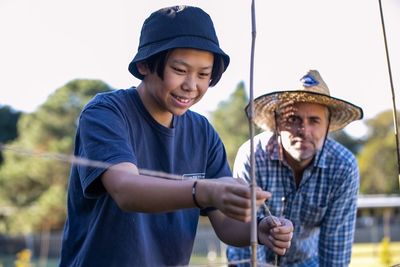
Our end-of-semester showcase provides a space for creative expression and shared celebration, where students experience the value of being seen and heard within a supportive community.
Outdoor education and camp experiences further reflect Montessori’s vision of the Erdkinder, adolescents learning through connection with nature, practical activity, and shared responsibility.
Seen in this light, the social media ban may become a blessing in disguise.
With fewer digital distractions, adolescents have a greater opportunity to strengthen face-to-face friendships, engage deeply in collaborative work, and experience the satisfaction that comes from real achievement and contribution.
Montessori believed that time in nature and meaningful social activity support reflection, emotional balance, and a growing sense of purpose, all of which are essential during these formative years.
As educators and families, this moment allows us to guide young people toward deeper connection: with themselves, with others, and with their environment. Rather than losing connection, adolescents may instead rediscover more authentic forms of belonging and purpose.
In doing so, they develop the confidence and social awareness needed not only to navigate the modern world but to contribute to it meaningfully.
Ruchika Narula | Head of Secondary School